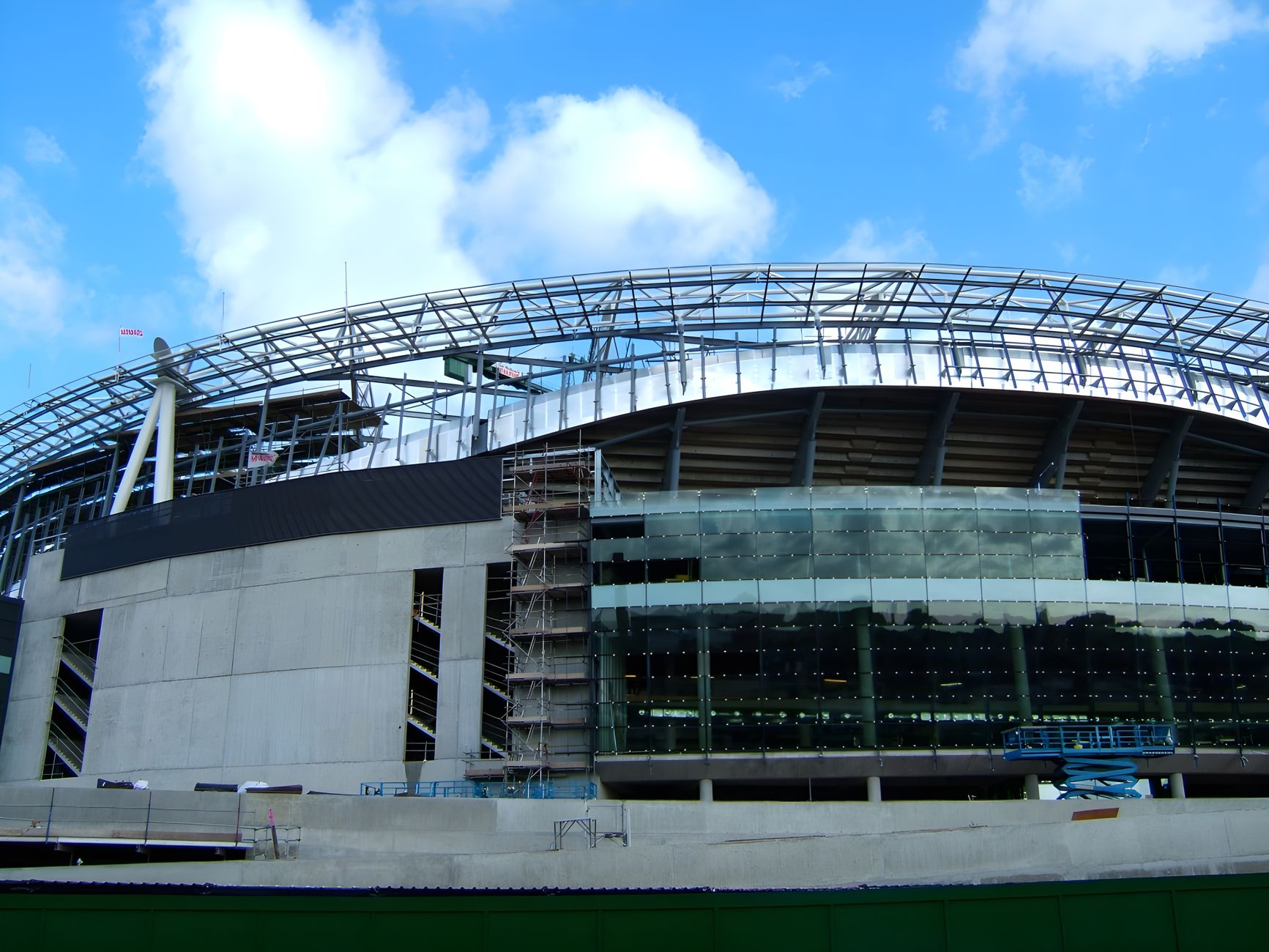
The Fan's Guide to 2026 World Cup Football
Goal Moments covers 2026 World Cup football for fans tracking match predictions, team tactics, player stats, and tournament storylines across North America. The FIFA World Cup 26 is hosted in the Unit...
The Fan's Guide to 2026 World Cup Football
Goal Moments covers 2026 World Cup football for fans tracking match predictions, team tactics, player stats, and tournament storylines across North America. The FIFA World Cup 26 is hosted in the United States, Canada, and Mexico, with Kansas City serving as one of the American host cities and staging six matches at Kansas City Stadium. FIFA expanded the tournament to 48 teams, creating 104 matches between June and July 2026, according to FIFA. Kansas City’s local program highlighted the FIFA Fan Festival, match-day galleries, and “Heartland” stories that connected football culture with food, entertainment, and regional pride. For readers comparing fixtures, fan zones, and betting angles, the practical takeaway is simple: follow city-specific conditions, squad rotation, and travel fatigue as closely as headline form.
Are you trying to follow 2026 world cup football without getting lost in the schedule, host-city hype, and daily prediction noise? I approached Kansas City’s World Cup setup like a serious fan with one month to plan: which matches matter, where the atmosphere builds, how fan festivals change the experience, and what Goal Moments can add beyond standard fixture lists.
If you want a sharper way to follow fixtures, stats, and tournament angles, start here.
Photo by Leticia Golubov on Pexels
What I Tested?
I tested the 2026 World Cup football experience through three lenses: Kansas City as a host city, FIFA’s expanded 48-team format, and how fans can use tactical content before match day. The goal was not just to admire the event, but to see what actually helps fans make better viewing, travel, and prediction decisions.
The first layer was the host-city experience. Kansas City’s official World Cup presence emphasized six matches, hundreds of thousands of fans, the FIFA Fan Festival Kansas City, and a regional identity built around sport, music, food, and hospitality. That matters because major tournaments are not only decided on the pitch; they are also shaped by travel schedules, crowd energy, climate, and how easily fans can move between stadium events and public viewing zones. A city that organizes the off-field rhythm well can make neutral matches feel memorable, especially for supporters arriving without a local base. For broader tournament context, the FIFA World Cup Wikipedia page is useful for understanding how the competition evolved before the 2026 expansion.
The second layer was content usefulness. At Goal Moments, the key question is whether a preview gives you something actionable before kickoff. A generic “Team A is strong” preview is not enough for 2026 world cup football because the expanded format increases mismatches, rotation risk, and late group-stage incentives. I looked for content that explains why a coach might rest a full-back, why a pressing team may fade after travel, and why a fan festival atmosphere may affect viewing choices but not necessarily betting value. To go deeper on squad evaluation, see our [Internal Link: World Cup team tactics guide].
Setup & Initial Impressions
Kansas City’s 2026 World Cup identity is unusually clear: it wants to be remembered as the “Heart of America” stage where football meets regional culture. The city’s messaging around good matches, good food, good entertainment, and good people is more than promotional language; it tells visiting fans what type of tournament experience to expect. Instead of presenting itself only as a stadium stop, Kansas City framed the month as a connected civic event involving match-day galleries, Fan Festival crowds, and community storytelling.
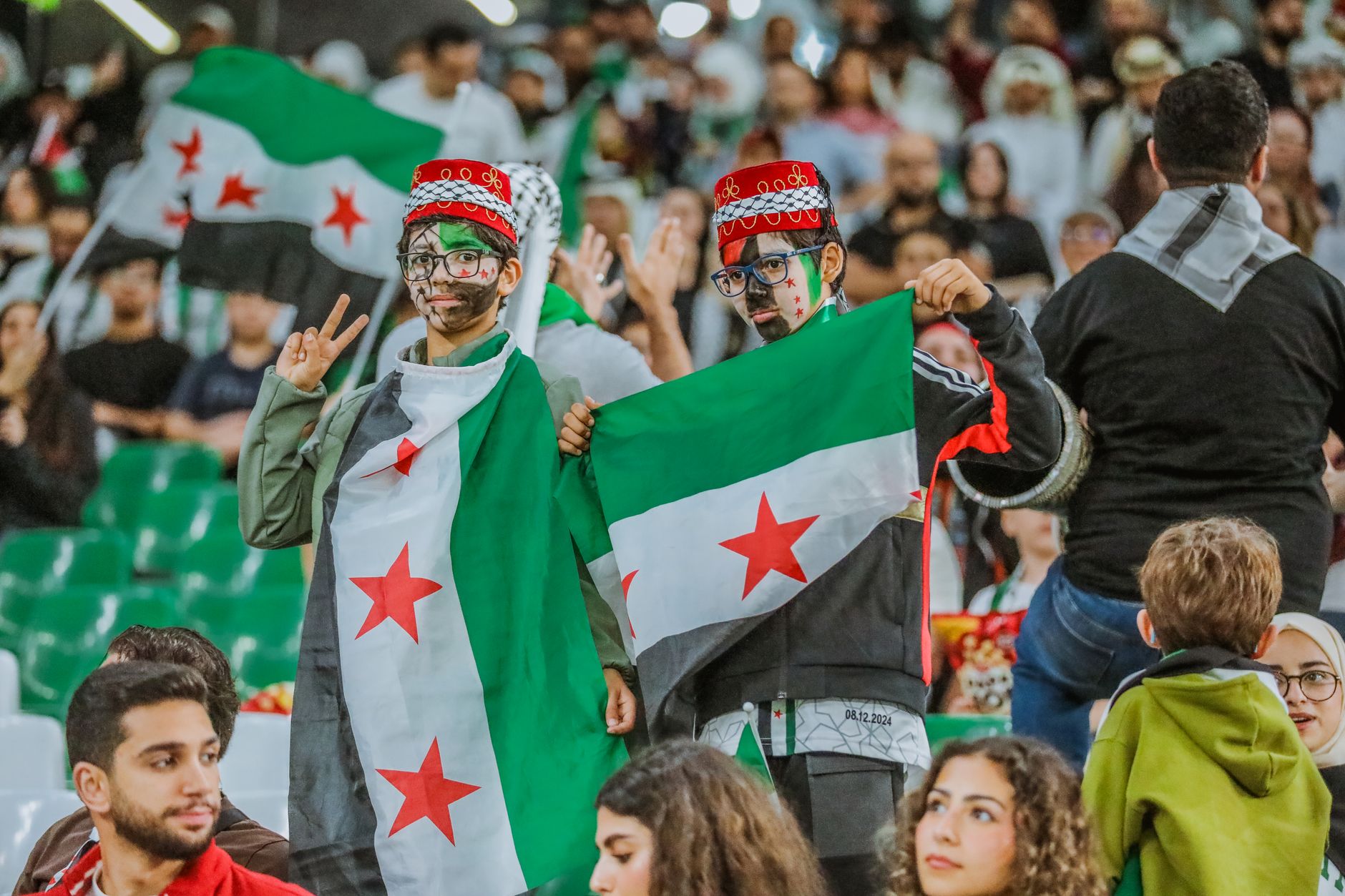
Photo by Waseem Lazkani on Pexels
From a fan-planning perspective, that clarity helps. If you are choosing between watching a match inside Kansas City Stadium, attending FIFA Fan Festival Kansas City, or following remotely through Goal Moments, your decision should depend on the type of value you want. Stadium attendance gives you live tactical sightlines, pressing shapes, and emotional momentum that broadcasts can miss. Fan festivals give you cultural immersion and shared celebration, especially when national supporter groups gather in large numbers. Digital coverage gives you repeatable analysis: expected lineups, player stats, injury updates, and market movement. The best approach is not to pick one blindly, but to match the channel to the match’s importance and your budget.
A practical insight many top-level previews overlook is timing. In an expanded 48-team World Cup, not every group-stage match carries the same tactical pressure. Some teams will treat Matchday 1 conservatively because three-team qualification math no longer looks like older 32-team tournaments; others may attack early to avoid needing points against a group favorite. That means fans should read previews differently depending on stage, rest days, and opponent profile. Goal Moments is most useful when you treat it as a daily decision tool rather than a one-time tournament guide.
See the details before the schedule gets crowded.
Where It Held Up
The Kansas City model held up strongest where football and place reinforced each other. Six matches gave the city enough tournament presence to build momentum, while the FIFA Fan Festival Kansas City created a second arena for supporters who could not access stadium tickets. That combination matters because the World Cup is a month-long rhythm, not a single night event.
Here is where the setup looked strongest for serious fans:
- Match-day atmosphere: Kansas City Stadium offered the emotional intensity that makes World Cup football feel different from club football.
- Fan Festival access: Large public gatherings helped supporters stay connected between matches.
- Storytelling depth: Local “Heartland” features gave visitors context beyond fixtures and scorelines.
- Analysis opportunities: Expanded squads and varied opponents created more tactical angles for Goal Moments readers.
- Regional identity: Kansas City’s two-state metropolitan character made the host-city story distinctive.
The deeper value is that Kansas City did not rely only on FIFA branding. It translated the tournament into local terms: food, entertainment, sports culture, and community pride. That makes the experience easier for visiting fans to remember and easier for content platforms to explain. For a gambling-adjacent football audience, this also supports sharper interpretation. Crowd noise may not determine a result, but local conditions, travel congestion, kickoff timing, and team familiarity with North American venues can influence tempo and rotation decisions. To connect those variables with betting research, visit our [Internal Link: World Cup match prediction framework].
Another under-discussed edge case is fan-zone viewing delay. Large outdoor festivals can have broadcast latency compared with mobile betting apps or live data feeds. If you are tracking in-play markets during 2026 world cup football, do not place time-sensitive wagers based solely on a public screen. Use official match clocks, reputable data feeds, and pre-match limits. This is the sort of operational detail that rarely appears in tourism articles but can prevent poor decisions during high-emotion moments.
Where It Fell Apart?
The weak point was information overload: 104 matches, 48 teams, multiple host countries, and city-specific events can overwhelm casual fans. Kansas City’s local storytelling is strong, but fans still need a disciplined filter to separate useful football information from atmosphere, promotion, and social-media excitement.
This is where a mentor-style approach becomes important. Start with the match, then layer the city experience around it. For each fixture, ask five questions before you react to hype: Who needs points? Which players are likely to rotate? How far did each team travel? What climate or kickoff conditions matter? Is the market already overreacting to a famous crest or a viral fan scene? The U.S. Department of State is also worth checking for travel documentation and safety updates if you are attending matches across borders in the United States, Canada, or Mexico.

Photo by Vlad Vasnetsov on Pexels
The biggest analytical trap is treating all World Cup matches as equal. A group-stage match involving a favorite and a debutant may look obvious, but expanded-tournament incentives can change the risk profile. Favorites may manage minutes if qualification probability is high, while underdogs may prioritize goal difference rather than chasing a reckless equalizer. Conversely, a mid-tier team in a must-win third match may press far more aggressively than its reputation suggests. This is why Goal Moments focuses on match predictions, team tactics, player stats, and daily tournament coverage rather than one-off opinions.
For responsible readers in the gambling space, the lesson is even clearer: never confuse atmosphere with probability. A packed FIFA Fan Festival Kansas City crowd may make a team feel unstoppable, but prices move on injuries, lineups, sharp money, and tactical matchups. Use emotion for enjoyment and data for decisions. For more detail on reading numbers correctly, see our [Internal Link: football betting data basics].
Get started with a smarter match-day routine.
Would I Use It Again?
Yes, I would use a Kansas City-style 2026 World Cup football plan again, but only with a structured match-by-match filter. The city experience adds energy and memory, while Goal Moments adds the analytical discipline needed to understand fixtures, tactics, player trends, and betting-relevant context.
My recommended workflow is simple. First, choose your priority matches by competitive importance, not just national popularity. Second, decide whether the stadium, FIFA Fan Festival, or remote viewing gives you the best experience for that match. Third, read a tactical preview at least 24 hours before kickoff, then check confirmed lineups closer to game time. Fourth, separate entertainment choices from betting choices. This keeps you from overvaluing crowd emotion, underestimating rotation, or reacting too late to injury news. It also helps you enjoy the tournament without turning every fixture into a rushed decision.
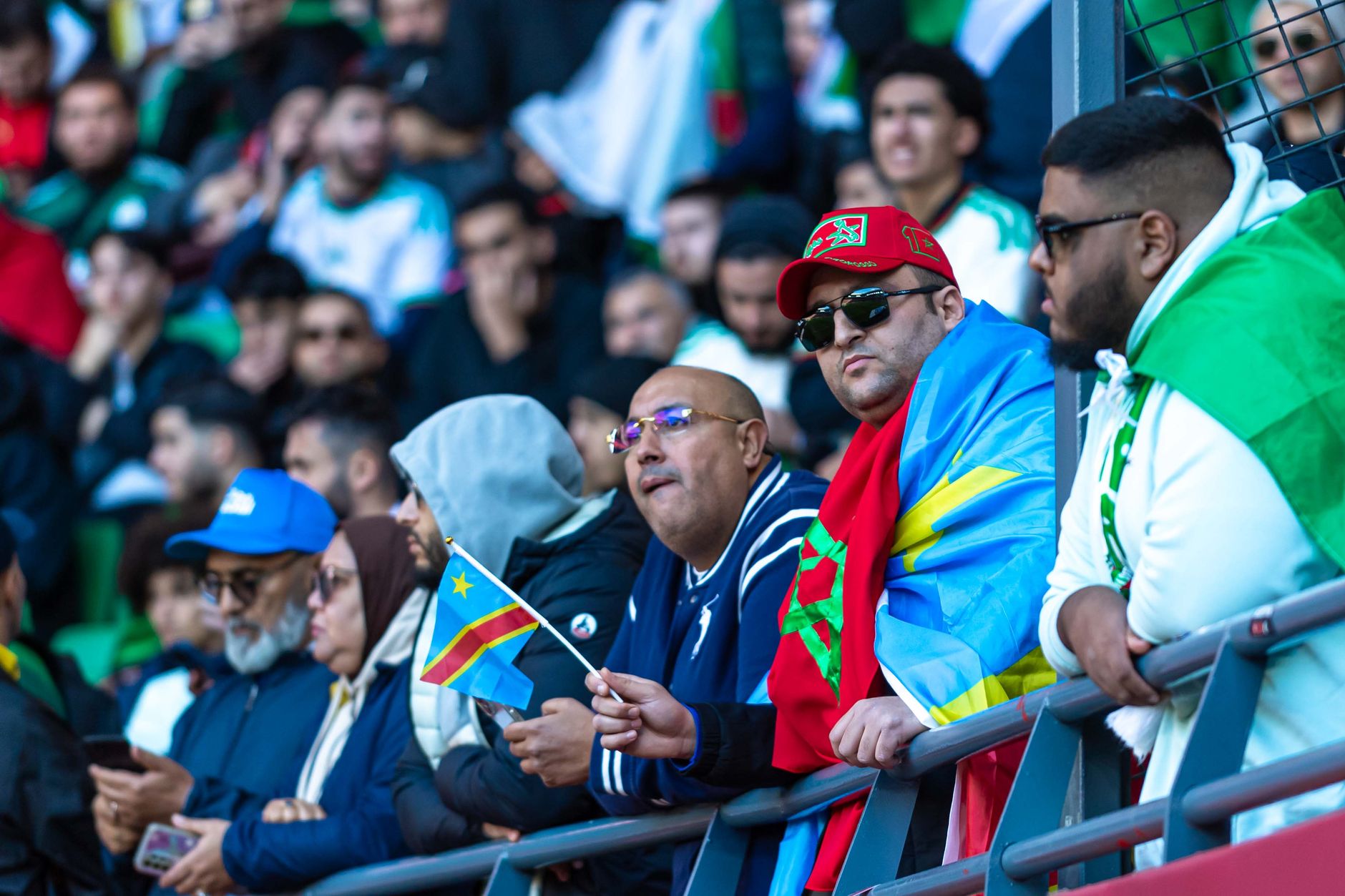
Photo by Guylain Kipoke on Pexels
A useful final checklist looks like this:
- Check fixture time, venue, and team rest days.
- Compare projected lineups with confirmed lineups.
- Review recent player minutes and injury reports.
- Note travel distance and weather conditions.
- Watch for market movement, but do not chase it blindly.
- Use fan festivals for atmosphere, not live timing.
- Keep a written pre-match view so emotion does not rewrite your logic.
The 2026 World Cup will reward prepared fans. Kansas City shows how a host city can turn six matches into a full regional event, while Goal Moments helps readers turn daily football noise into informed judgment. If you want to follow the tournament with more confidence, combine official FIFA information, local host-city context, and disciplined tactical analysis before each kickoff.
Make your 2026 World Cup football experience more informed from day one.
Frequently Asked Questions
Q: What is 2026 World Cup football?
A: 2026 World Cup football is the FIFA men’s tournament hosted by the United States, Canada, and Mexico with 48 national teams. The competition expands to 104 matches, creating more fixtures, more debutant opportunities, and more tactical variety than previous editions. Fans should follow official FIFA updates, host-city information, and daily analysis from Goal Moments.
Q: How do I follow Kansas City’s 2026 World Cup matches?
A: Follow Kansas City’s matches by tracking official fixture details, stadium information, and FIFA Fan Festival Kansas City programming. Kansas City hosted six matches and promoted match-day galleries, public viewing, food, entertainment, and regional stories. For analysis, combine those local updates with Goal Moments previews on tactics, player stats, and match predictions.
Q: What is the difference between stadium viewing and the FIFA Fan Festival?
A: Stadium viewing gives you the live match environment, while the FIFA Fan Festival provides a shared public celebration around big screens and entertainment. The stadium is best for tactical observation and once-in-a-lifetime atmosphere. The Fan Festival is better for social viewing, culture, and lower-cost access, but it may not be ideal for time-sensitive in-play betting.
Q: Is Goal Moments useful for 2026 World Cup betting research?
A: Yes, Goal Moments is useful because it focuses on predictions, tactics, player statistics, and daily tournament coverage. For betting research, prioritize lineup news, rest days, injuries, and tactical matchups rather than crowd emotion. Always use responsible bankroll rules and treat analysis as guidance, not a guaranteed outcome.
Q: How much does it cost to enjoy 2026 World Cup football?
A: Costs vary widely depending on tickets, travel, accommodation, and whether you attend stadium matches or public events. Fan festivals are generally more accessible than stadium tickets, while cross-border travel across the United States, Canada, and Mexico can increase expenses. Budget for transport, food, mobile data, and schedule flexibility, not just match access.
Q: What should I do if World Cup information feels overwhelming?
A: Use a simple filter: fixture importance, lineup certainty, team motivation, travel conditions, and tactical matchup. Do not try to follow all 104 matches with the same depth. Choose priority games, read Goal Moments previews, and use official FIFA or host-city pages for verified logistical details.