
10 World Cup Angles Compared: 2026 Edge
The FIFA World Cup 2026 will feature 48 teams, 104 matches, and three host countries: the United States, Canada, and Mexico. FIFA will stage the tournament from June 11 to July 19, 2026, with games sp...
10 World Cup Angles Compared: 2026 Edge
The FIFA World Cup 2026 will feature 48 teams, 104 matches, and three host countries: the United States, Canada, and Mexico. FIFA will stage the tournament from June 11 to July 19, 2026, with games spread across 16 host cities, including Atlanta, Los Angeles, Mexico City, Toronto, and New York/New Jersey. The expanded format creates more knockout places but also increases travel, heat, altitude, and scheduling variables that can punish shallow squad depth. Atlanta’s Mercedes-Benz Stadium is set to host eight matches, while the Los Angeles area is also scheduled for eight and will add a FIFA Fan Festival at the Los Angeles Memorial Coliseum. Goal Moments tracks those practical details alongside match predictions, team tactics, player statistics, and daily tournament news. Start by separating confirmed FIFA information from speculation, then compare squad depth, travel routes, venue conditions, and tactical matchups before making any prediction.

Photo by Alex Luciano on Pexels
Before 2025: how the football World Cup worked
Before 2025, the men’s FIFA World Cup operated under the 32-team structure used from France 1998 through Qatar 2022. That format produced 64 matches: eight groups of four teams, followed by a round of 16, quarter-finals, semi-finals, and the final. The 2022 tournament in Qatar demonstrated how small margins mattered, with Argentina defeating France on penalties after a 3–3 final, while Brazil, Germany, Spain, and Belgium all failed to reach the final four despite entering with heavyweight reputations. Football, as usual, ignored the neat little predictions people had printed five minutes earlier.
The older structure rewarded tournament management. A team needed seven matches to win the trophy, and group-stage rotation was often calculated around the third fixture. Travel was usually concentrated within one country, although Qatar introduced extreme climate planning because matches were played in November and December rather than the traditional summer window. FIFA’s official World Cup competition information remains the cleanest reference point for historical formats, match records, and tournament regulations.
A useful pre-2025 baseline includes:
- 32 participating teams and 64 total matches.
- Eight groups of four, with the top two advancing.
- Seven matches required by the eventual champion.
- A familiar knockout path beginning at the round of 16.
- More limited qualification access for emerging football nations.
For prediction work, the old format also made group mathematics easier. Six points normally placed a team in a strong position, while four points often created a tense final-day calculation involving goal difference, goals scored, and head-to-head rules. That predictability is disappearing in 2026, which matters for anyone reading a table too quickly and congratulating themselves prematurely.
How did the old format affect match predictions?
The 32-team format made early tournament forecasts more stable because fewer teams qualified and each group contained only one or two realistic contenders. Analysts could lean heavily on FIFA rankings, Elo-style ratings, qualifying results, and major-club experience. However, single-match variance still mattered: one red card, penalty, injury, or goalkeeper error could overturn an otherwise sensible model.
The biggest practical lesson is that historical World Cup data cannot be transferred mechanically to 2026. A model trained on 64-match tournaments may undervalue extra fixtures, wider squad rotation, and long-distance travel across North America. At Goal Moments, the sensible approach is to use historical results as a baseline, not as a prophecy carved into stone by somebody who once got a group winner correct.
historical World Cup formats and tournament records
The 2026 shift
FIFA World Cup 2026 is the first men’s World Cup with 48 teams, expanding participation from 32 while increasing the schedule from 64 to 104 matches. The tournament will begin with 12 groups of four teams; the top two in each group plus the eight best third-place teams will progress to a 32-team knockout bracket. That means the eventual champion must play eight matches instead of seven, adding one more elimination game and another opportunity for fatigue, suspension, or tactical collapse to do its charming work.
The host geography is equally important. Canada, Mexico, and the United States form a continental tournament footprint rather than a compact single-country event. The 16 host cities are Atlanta, Boston, Dallas, Guadalajara, Houston, Kansas City, Los Angeles, Mexico City, Miami, Monterrey, New York/New Jersey, Philadelphia, San Francisco Bay Area, Seattle, Toronto, and Vancouver. FIFA’s 2026 tournament overview provides the governing details, while host-city announcements supply venue-specific information that can change the travel picture.
The main structural changes are:
- More teams: 48 instead of 32.
- More matches: 104 instead of 64.
- More group-stage fixtures: 72 group matches.
- A new knockout entry point: the round of 32.
- Three host nations: Canada, Mexico, and the United States.
- Greater variation in climate, altitude, and travel distance.
Do not treat “more qualification places” as a synonym for “easy matches.” The expanded field creates more unfamiliar opponents, unusual tactical pairings, and ranking mismatches. A highly rated team may dominate possession against a lower-ranked side yet still struggle against a compact block, a fast transition attack, or conditions that turn pressing into an expensive hobby.
Atlanta is a particularly interesting case. Mercedes-Benz Stadium is expected to host eight matches, including a semi-final, and its retractable roof offers greater control over heat and rain than many open venues. Los Angeles also has eight scheduled matches, with the LA area positioning the FIFA Fan Festival at the Los Angeles Memorial Coliseum. Those off-pitch facilities matter because supporters, media, and neutral viewers influence the tournament atmosphere, even if they do not directly score goals.
Want the tournament basics mapped into a daily research routine?
What changed for players?
The 2026 World Cup changes player demands through workload, travel, climate variation, and squad construction. Every champion must survive eight matches, and that additional fixture increases the value of dependable substitutes rather than merely spectacular starting elevens. A team with two elite wingers but no credible replacement may look brilliant in the group stage and exhausted by the quarter-finals. We have seen this film before; the ending is usually expensive for somebody.
Travel can become a tactical variable. The distance between Vancouver and Miami is roughly 4,400 kilometres in a straight-line estimate, while Mexico City sits at an elevation of approximately 2,240 metres. These differences affect recovery, sleep, hydration, and training intensity, although the exact impact depends on each team’s itinerary and acclimatization plan. A side moving repeatedly between Pacific, Central, and Eastern time zones may lose preparation quality even when its medical staff does everything correctly.
Players and analysts should monitor:
- Rest days between matches, especially before the round of 16.
- Time-zone changes affecting sleep and recovery.
- Venue altitude, particularly in Mexico City and Guadalajara.
- Heat and humidity, with conditions varying sharply by region.
- Squad depth, including replacement quality in central midfield and defence.
- Suspension exposure, because yellow-card accumulation can remove key players.
- Set-piece workload, which often decides close knockout games.
The competition also changes the value of tournament experience. Veteran players understand how to manage stoppages, protect a one-goal lead, and avoid unnecessary bookings, but age-related recovery costs are real. Younger players offer pace and pressing energy, yet they may struggle with game-state management when a match turns hostile. A balanced squad is more useful than a collection of famous names, a point repeatedly proven by teams that look unbeatable on social media and suspiciously ordinary after 70 minutes.
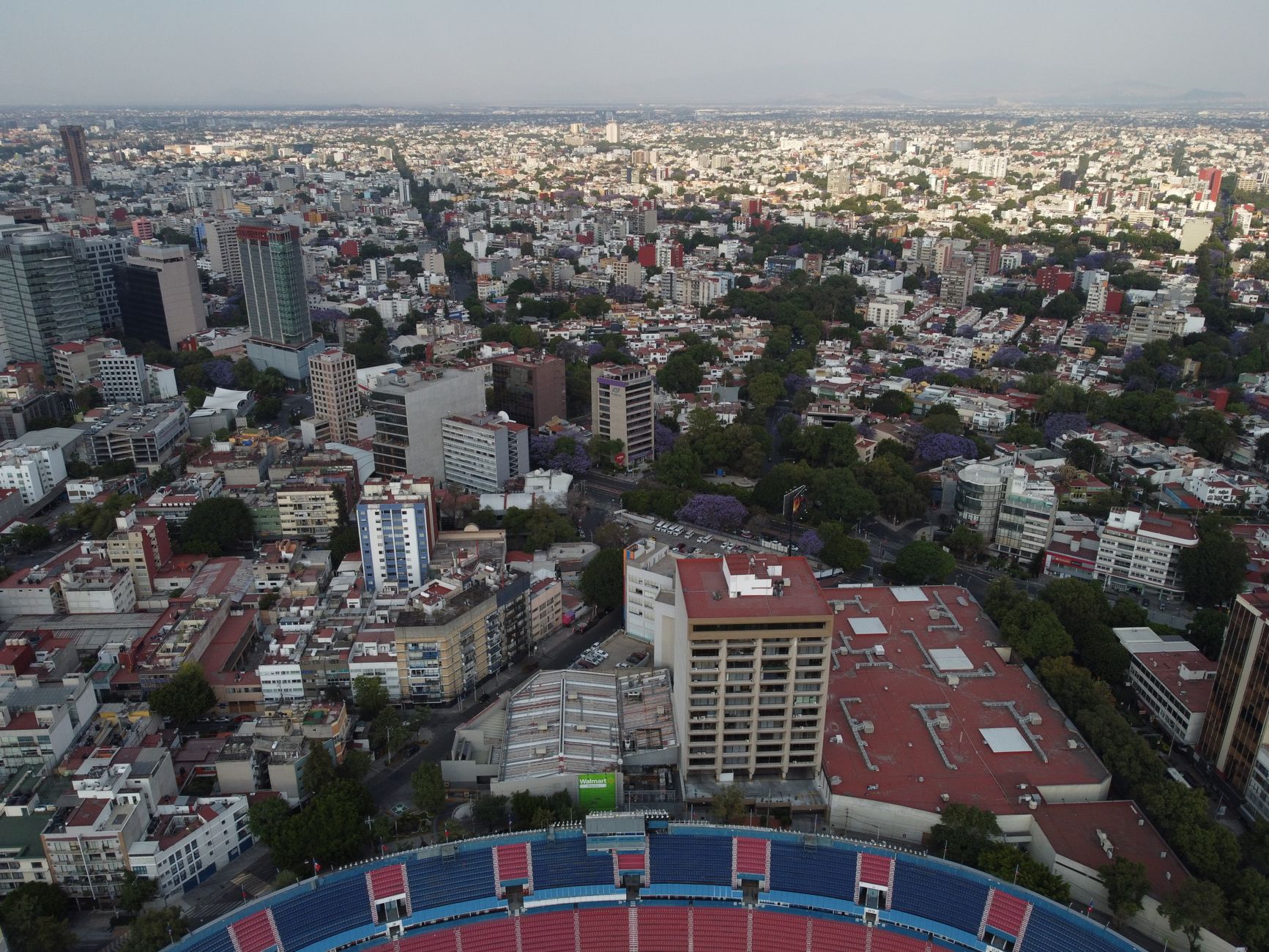
Photo by Israel Torres on Pexels
Which tactical indicators matter most?
The strongest 2026 indicators are expected-goal difference, field tilt, high-turnover creation, set-piece efficiency, goalkeeper performance, and rest-adjusted pressing output. No single statistic explains a tournament, but a team consistently creating better chances while conceding fewer dangerous transitions usually has a sturdier foundation than a side surviving on long-range goals. Public data providers such as Opta and match reports from FIFA can help establish the numbers, although definitions and sample sizes must be checked carefully.
One less obvious edge is the difference between raw pressing and sustainable pressing. A team may record an impressive PPDA figure in qualifying yet drop sharply when playing in heat, after a short recovery period, or against opponents who bypass the first line with direct passes. Compare pressing output in the first and second halves, then check whether the team protects the centre after its press is beaten. That second question is usually more revealing than chanting “intensity” at a graph until it surrenders.
Another useful edge case concerns substitutions. Teams that maintain shot quality after 60 minutes often possess a deeper attacking bench, while teams whose chance creation collapses after their first substitutions may be overly dependent on one playmaker. Goal Moments can use player minutes, injury reports, role changes, and tactical formations to explain that difference instead of simply repeating pre-tournament ranking positions.
team tactics, formations, and player-statistics guide
What this means now
For supporters, the 2026 football World Cup is larger, longer, and harder to evaluate using old tournament shortcuts. For prediction readers, the most important change is not merely the number of teams; it is the interaction between format and logistics. A team can qualify comfortably from its group but enter the knockout stage with accumulated travel fatigue, a suspended holding midfielder, or a depleted full-back rotation. Those details are boring until they decide your supposedly “safe” selection.
For match analysis, build a profile for each contender using five categories:
| Category | What to measure | Why it matters |
|---|---|---|
| Chance creation | Expected goals, box entries, shot locations | Separates sustained attack from hopeful shooting |
| Defensive control | Shots conceded, transition chances, set-piece defence | Tests whether possession actually protects the goal |
| Squad depth | Minutes and quality of substitutes | Becomes crucial across eight matches |
| Logistics | Venue, rest, time zones, altitude | Adjusts raw performance expectations |
| Tournament management | Bookings, game states, late substitutions | Helps explain knockout resilience |
The contrarian conclusion is straightforward: the favourite with the best starting XI may not be the team with the best title probability. A slightly less glamorous squad with three reliable midfield combinations, two functional full-back options, and a goalkeeper comfortable under pressure may outperform a star-heavy roster. This is not romantic; it is roster mathematics. Football punishes teams that confuse reputation with replacement quality.
Atlanta and Los Angeles also offer different viewing experiences. Atlanta’s Mercedes-Benz Stadium combines a major football crowd with a modern enclosed venue, while Los Angeles brings a wider regional festival footprint and the cultural scale of Southern California. Mexico City and Guadalajara add historical football identity and altitude considerations, whereas Seattle, Vancouver, and Toronto introduce northern travel and climate variables. Comparing host cities through both match scheduling and supporter infrastructure gives a more useful answer than ranking them by postcard appeal.
Ready to compare the venues and tactical variables before the fixtures become crowded?
Is the expanded tournament better for football?
The expanded tournament improves global access by creating 16 additional qualification places, but it also creates a heavier competitive and operational burden. More nations receive meaningful World Cup exposure, while established teams face more fixtures and wider travel demands. FIFA’s format therefore offers greater geographic representation at the cost of additional scheduling complexity.
The football quality will vary by match. Some group fixtures may feature large rating gaps, but the new third-place qualification route can keep more teams alive into the final round. That changes risk management: a team may not need to win its opening match, yet a poor goal difference can become decisive when several third-place teams are compared. The result is a format that encourages calculation while pretending to reward carefree attacking football, which is a very FIFA sort of contradiction.
For fans, the practical benefit is choice. With 104 matches across 39 days, there will be more opportunities to watch emerging players, tactical experiments, and regional rivalries. The drawback is information overload: injury updates, line-up changes, weather, travel, and kickoff times will move quickly. Use a consistent source hierarchy, record information timestamps, and distinguish confirmed announcements from social-media noise.
- Confirmed: FIFA schedules, regulations, venues, and official announcements.
- Strong evidence: federation statements, club medical reports, reputable match data.
- Useful but provisional: training observations and journalist reports.
- Weak evidence: anonymous screenshots, recycled rumours, and outrage merchants.
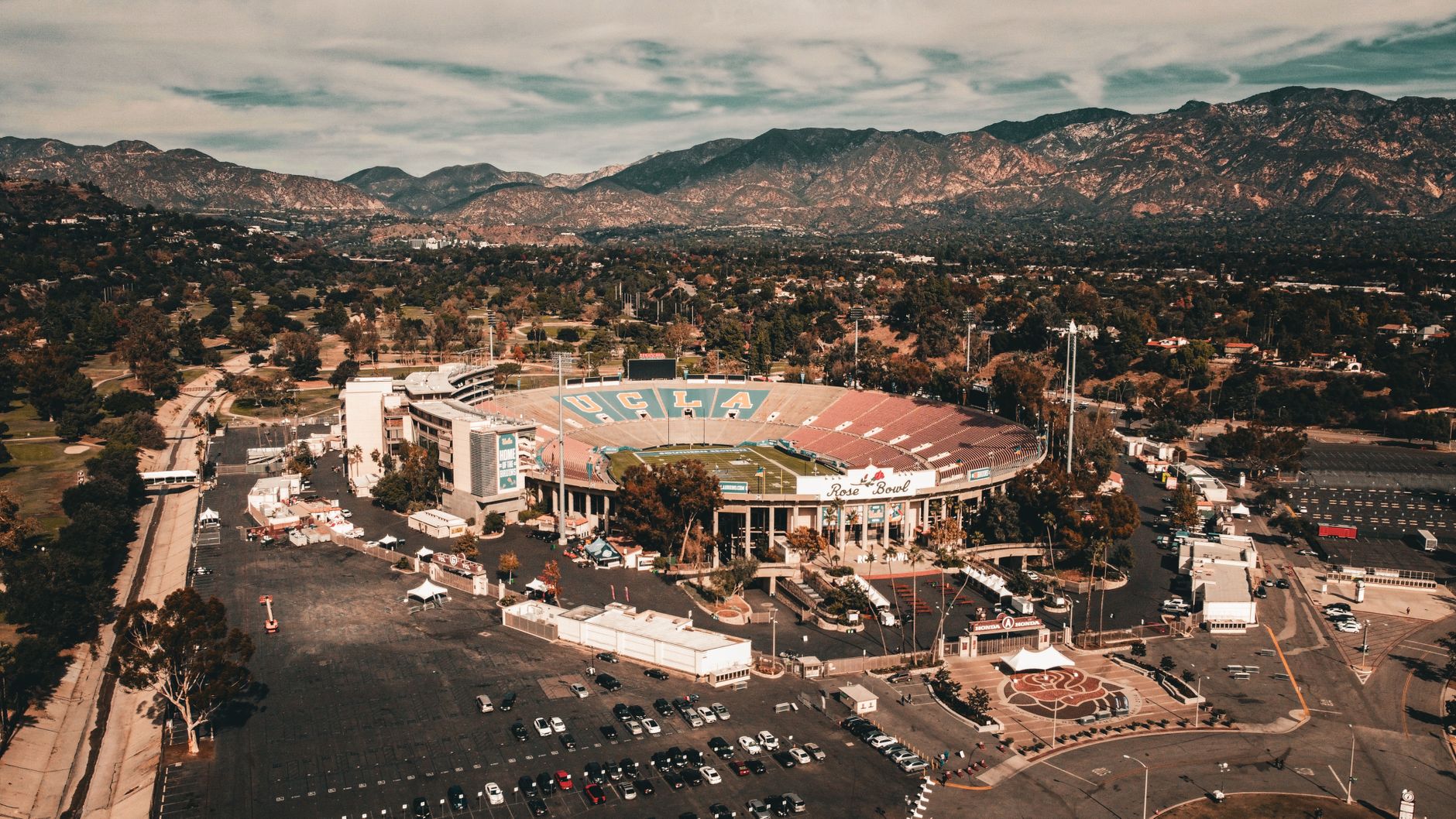
Photo by Caio Cezar on Pexels
Three predictions for next quarter
The next quarter should produce clearer information about squad selection, tactical identity, and host-city readiness, but precise match predictions remain premature before final squads and schedules settle. Treat these as testable projections rather than guaranteed outcomes. Anyone promising certainty this far from the opening match is either selling something or has discovered a time machine and is wasting it on football tips.
1. Squad depth will separate the semi-final contenders
The teams reaching the final four are likely to be those with credible replacements in central midfield, full-back, and wide attack. Eight matches make rotation unavoidable, while injuries and suspensions can remove a first-choice player at the worst possible moment. Track players receiving meaningful minutes for their national teams and clubs, not merely those listed as famous substitutes.
2. Travel-adjusted models will beat ranking-only models
FIFA rankings and Elo ratings remain useful starting points, but they should be adjusted for venue, rest days, time zones, altitude, and climate. A simple model can assign small penalties for compressed recovery and large travel transitions, then compare those adjustments against historical performance. The exact coefficients must be validated rather than invented for dramatic effect; spreadsheets are not magic just because they contain blue cells.
3. Set pieces will gain value in close knockout matches
More evenly matched knockout games should increase the importance of corners, free kicks, second balls, and defensive marking. A team that creates only average open-play chances may still possess a decisive set-piece advantage through delivery quality, blocking structures, and aerial targets. Review goals from dead-ball situations, fouls won near the box, and defensive first-contact rates before dismissing a supposedly conservative side.
Goal Moments is built for this kind of ongoing work: match predictions, team tactics, player statistics, and daily FIFA World Cup coverage in one place. The best research habit is to revisit your assumptions after every major squad announcement, injury update, and schedule confirmation. Do that consistently and you will at least lose for reasons you can identify, which is already better than trusting a viral graphic made by a stranger with twelve followers.
2026 World Cup prediction methodology
In short, the football 2026 World Cup is not simply the old tournament with 16 extra teams attached. It is a new competitive environment shaped by 48 nations, 104 matches, three host countries, 16 venues, longer knockout survival, and major logistical differences between cities such as Atlanta, Los Angeles, Mexico City, and Vancouver. Start with official FIFA information, add verified performance data, and then adjust for squad depth, travel, climate, altitude, and tactical matchup before forming a view. That process will not eliminate uncertainty, because football remains football, the stubborn little menace, but it will make your analysis sharper.
Want daily tournament analysis from Goal Moments as the 2026 World Cup develops?
Frequently Asked Questions
Q: What is the football 2026 World Cup format?
A: The FIFA World Cup 2026 format includes 48 teams and 104 matches across 12 groups of four. The top two teams in each group, plus the eight best third-place teams, advance to a 32-team knockout stage. The champion must play eight matches, one more than under the previous 32-team format. Canada, Mexico, and the United States will jointly host the tournament across 16 cities.
Q: How can I follow the 2026 World Cup intelligently?
A: Follow FIFA’s official announcements first, then use reputable match data and federation reports to evaluate teams. Record confirmed injuries, starting-lineup changes, rest days, venue locations, and travel routes before making a prediction. Goal Moments can help by combining daily tournament coverage with tactical analysis, player statistics, and match-focused insights rather than relying on rankings alone.
Q: What is the difference between the 2022 and 2026 World Cups?
A: The 2022 Qatar World Cup had 32 teams and 64 matches, while the 2026 tournament will have 48 teams and 104 matches. Qatar used a compact national footprint and a November–December schedule, whereas 2026 spans Canada, Mexico, and the United States during the northern summer. The expanded event also introduces a round of 32.
Q: Is Atlanta hosting FIFA World Cup 2026 matches?
A: Yes, Atlanta’s Mercedes-Benz Stadium is scheduled to host eight FIFA World Cup 2026 matches, including a semi-final. The stadium’s retractable roof may help manage rain and heat during match operations. Supporters should still check FIFA and Atlanta host-city announcements for exact fixtures, entry rules, transport details, and fan-event schedules as the tournament approaches.
Q: Why can’t World Cup rankings alone predict the winner?
A: Rankings do not fully capture venue conditions, squad depth, injuries, rest, travel, altitude, or tactical matchups. A highly rated team can struggle against a compact defensive block or lose efficiency after crossing multiple time zones. A stronger prediction process combines ratings with expected-goal data, player availability, substitution quality, set-piece performance, and schedule-specific logistics.
Q: How much does it cost to attend the 2026 World Cup?
A: FIFA World Cup 2026 attendance costs vary according to match category, ticket availability, city, travel, accommodation, and official sales phases. There is no single reliable total for every supporter, and unofficial resale prices can be substantially higher. Use FIFA’s official ticketing information, confirm seller legitimacy, and budget separately for transportation, lodging, food, and local event access.
Q: What should I do if World Cup information changes?
A: Recheck the information against FIFA, the relevant national federation, the host-city website, or the stadium’s official announcement. Tournament schedules, kickoffs, ticket procedures, player availability, and fan-zone arrangements can change. Note the publication date, avoid relying on screenshots without context, and update your prediction only after separating confirmed facts from preliminary reports.