Football Fitness vs Running: Match-Ready Conditioning
Football fitness training works best when it copies football’s demands: repeated sprints, sudden stops, changes of direction, strength contests, and recovery between efforts. A 2026 player should comb...
Football Fitness vs Running: Match-Ready Conditioning
Football fitness training works best when it copies football’s demands: repeated sprints, sudden stops, changes of direction, strength contests, and recovery between efforts. A 2026 player should combine aerobic conditioning, sprint work, resistance training, mobility, and ball-based drills rather than jog endlessly like a lost extra in a marathon. The Fédération Internationale de Football Association (FIFA) identifies high-intensity actions and repeated accelerations as decisive parts of modern football, while research in the Journal of Sports Sciences links small-sided games with improvements in aerobic capacity and football-specific performance. Train three to five days weekly, keep at least one full recovery day, and increase total workload by no more than roughly 10% per week. Start by testing your current 20-metre sprint, repeated-sprint ability, and six-minute running distance, then build the weakest quality first.

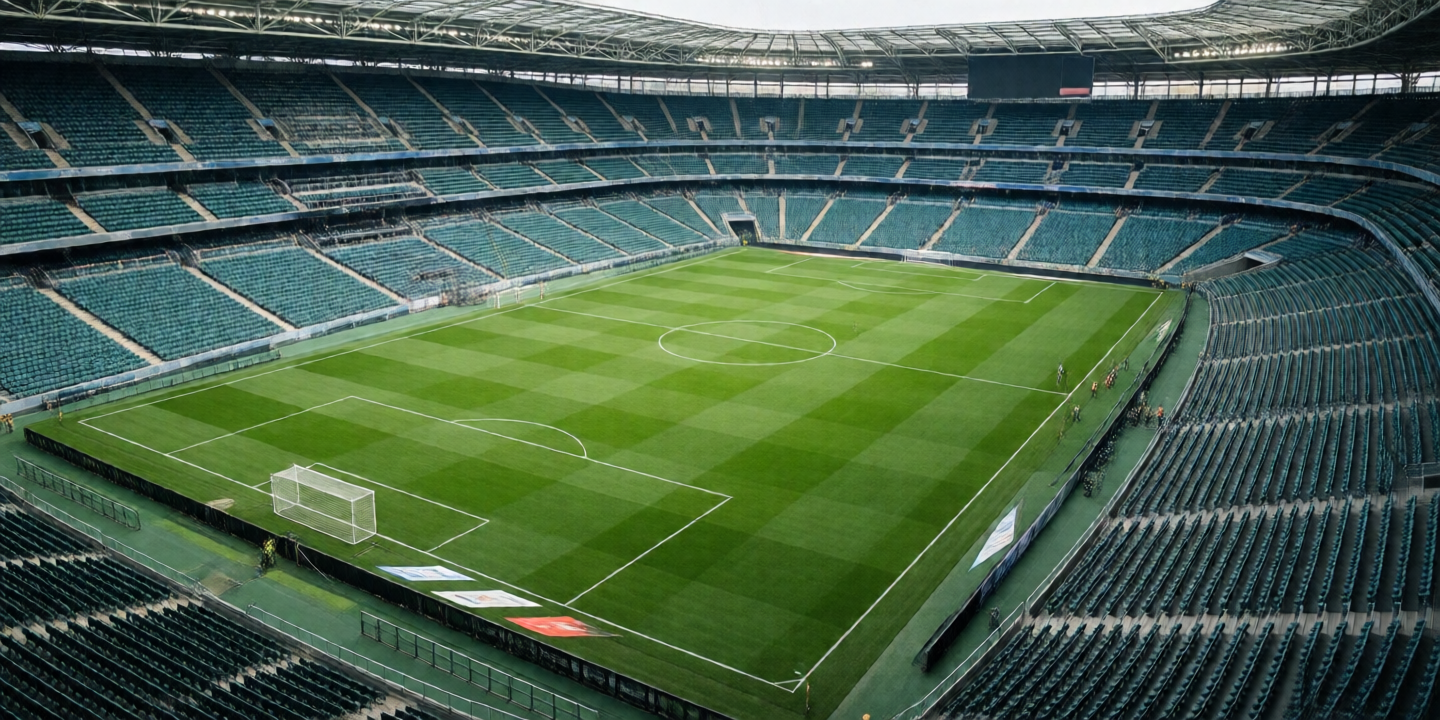
Photo by Franco Monsalvo on Pexels
Football fitness is not simply “being able to run for 90 minutes.” A central midfielder may cover 10–12 kilometres in a match, but that distance includes walking, cruising, pressing, sprinting, tackling, turning, and recovering from repeated high-intensity actions. The problem with generic running plans is obvious after enough painful seasons: they improve steady-state endurance while neglecting braking strength, acceleration mechanics, hamstring capacity, and decision-making under fatigue. That is how players become wonderfully fit for jogging and strangely useless after the third sprint.
Goal Moments covers FIFA World Cup 2026 tactics, player statistics, predictions, and tournament developments, so the training principles below are designed around the same demands visible at elite level. They are suitable for beginners, amateur players, academy footballers, and experienced competitors, although injury history and medical restrictions should always be handled by a qualified professional. For movement quality, begin with our football warm-up drills and mobility guide before increasing intensity.
Want the broader performance picture before planning your week?
If you train three days weekly: build the aerobic base
Aerobic conditioning should come first when you train three days weekly because it improves recovery between sprints, supports total match work, and allows harder sessions to remain technically useful. Use one low-intensity session, one interval session, and one football-specific conditioning session; this combination develops endurance without turning every workout into punishment. A practical starting target is 25–35 minutes of easy running at conversational intensity, followed by short intervals at approximately 80–90% of maximum effort.
The American College of Sports Medicine recommends gradual progression in exercise volume and intensity, a point many players discover only after their calves declare independence. Use the following weekly structure for four weeks:
- Session one — easy aerobic work: Run or cycle for 25–35 minutes at a pace allowing complete sentences.
- Session two — controlled intervals: Complete 6–8 repetitions of two minutes hard and two minutes easy.
- Session three — football conditioning: Play 4v4 or 5v5 games in four-minute blocks with two-minute recoveries.
- Recovery days: Walk, perform light mobility, sleep adequately, and do not disguise another hard workout as “active recovery.”
Small-sided games are especially useful because they combine heart-rate stress, scanning, passing, pressing, and acceleration. A 2024 review in Frontiers in Physiology reported that small-sided games can produce substantial aerobic and technical adaptations, although pitch size and player numbers change the workload considerably. Keep the pitch compact for more touches and direction changes; enlarge it when you need longer runs and higher-speed exposure.
How should beginners measure endurance?
Beginners should measure endurance with a repeatable six-minute run, a simple talk-test rating, and recovery heart rate rather than relying on a single heroic session. Record distance, perceived effort from 1 to 10, and heart rate after one minute of rest, then repeat the test every 14 or 30 days. A useful improvement is more distance at the same effort, not merely suffering harder.
For practical tracking, use the same surface, footwear, warm-up, and time of day whenever possible. A player covering 1,200 metres in six minutes at an effort of 8/10 has a useful baseline, while another player covering 1,350 metres at 7/10 may already possess better sustainable capacity. If your one-minute recovery heart rate improves by 8–15 beats per minute across a month, that generally suggests improved conditioning, although wearable devices can misread during intervals. Do not compare a muddy Sunday pitch with a flat athletics track and then blame your lungs; the surface, wind, temperature, and turns all matter.
football endurance drills for midfielders and full-backs belongs here because position changes the amount and type of running required. Wide players need more high-speed exposure, central midfielders need repeated movement and recovery, and centre-backs need acceleration over shorter distances plus strength for duels. Use position-specific data when available from GPS systems such as Catapult Vector, but treat consumer watches as estimates rather than sacred tablets.
If you train four days weekly: add speed and repeated sprints
Four weekly sessions allow you to add speed, but only if the additional work is planned rather than dumped on top of already tired legs. Sprint training should include acceleration over 5–20 metres, longer efforts of 20–30 metres, and repeated-sprint sets with incomplete recovery. Footballers rarely sprint from a perfect standing position with no opponent, so begin from varied starts: lateral stance, backpedal, half-turn, and reaction to a visual or verbal cue.
A reliable speed session can use this progression:
- Acceleration: 6 × 10 metres, resting 60–90 seconds.
- Longer sprinting: 4 × 20 metres, resting 90–120 seconds.
- Repeated sprints: 2 sets of 5 × 20 metres, with 20 seconds between repetitions and three minutes between sets.
- Change of direction: 4 × 10-metre shuttle repetitions, resting fully between efforts.
Stop the sprint block if times slow by more than 5%; beyond that point, you are usually training fatigue and poor mechanics rather than speed. This 5% rule is a useful operational edge because many amateur plans prescribe “ten all-out sprints” without acknowledging that the final repetitions may be technically dreadful. The FIFA Training Centre emphasizes game-relevant intensity, and the practical translation is simple: quality accelerations first, conditioning second.
Get started with a more detailed training framework here.
Speed also requires strength, particularly in the glutes, hamstrings, calves, and trunk. Include two weekly strength sessions if possible, separated by at least 48 hours when both contain lower-body loading. Select movements such as split squats, Romanian deadlifts, calf raises, Copenhagen planks, push-ups, rows, and anti-rotation presses. Start with two or three sets of 6–12 controlled repetitions, leaving two repetitions in reserve; maximal lifting is unnecessary for most developing footballers and is a poor substitute for competent technique.
What is the safest way to train acceleration?
The safest acceleration method is a full warm-up followed by low-volume sprints with complete technical control, starting at 70–80% effort before progressing toward maximum speed. Use 10–15 minutes of jogging, dynamic mobility, ankling, skips, progressive runs, and two or three build-ups before the first timed repetition. Increase sprint volume only when the player finishes without pain, altered mechanics, or excessive next-day soreness.
Hamstring injuries often appear when players expose themselves to high speed after weeks of only slow running. A useful prevention block includes Nordic hamstring curls, single-leg Romanian deadlifts, hip bridges, and calf work two times weekly; the FIFA 11+ injury-prevention programme provides an established framework for football warm-ups and injury reduction. Perform eccentric work with controlled lowering, not theatrical collapsing onto the grass. Pain that changes your stride is a stop signal, not a motivational quote.
If you have a match within 48 hours: reduce volume and protect freshness
When a match is within 48 hours, reduce training volume rather than trying to create fitness at the last possible moment. Fitness develops through repeated exposure and recovery, while heavy intervals, unfamiliar strength exercises, and long conditioning runs can leave residual fatigue for 24–72 hours. The final session should sharpen movement and technique, not prove that you are capable of making poor decisions while exhausted.
Use this match-week approach:
- 72 hours before: Complete the hardest conditioning or strength session of the week.
- 48 hours before: Train for 45–60 minutes with moderate intensity, technical work, and limited sprint volume.
- 24 hours before: Perform 25–40 minutes of activation, passing, set pieces, and three to five short accelerations.
- Match day: Eat familiar carbohydrates, hydrate steadily, and complete a progressive warm-up.
- After the match: Cool down briefly, replace fluids, consume protein and carbohydrates, and prioritize sleep.
A practical nutrition target is 1.2–1.6 grams of protein per kilogram of body mass daily for regular training, with carbohydrate intake adjusted to workload. The International Olympic Committee and sports-nutrition literature consistently emphasize carbohydrate availability for high-intensity exercise, yet players still arrive at matches fuelled by one coffee and optimism. Avoid testing new supplements, aggressive weight-loss diets, or unfamiliar gels before competition.
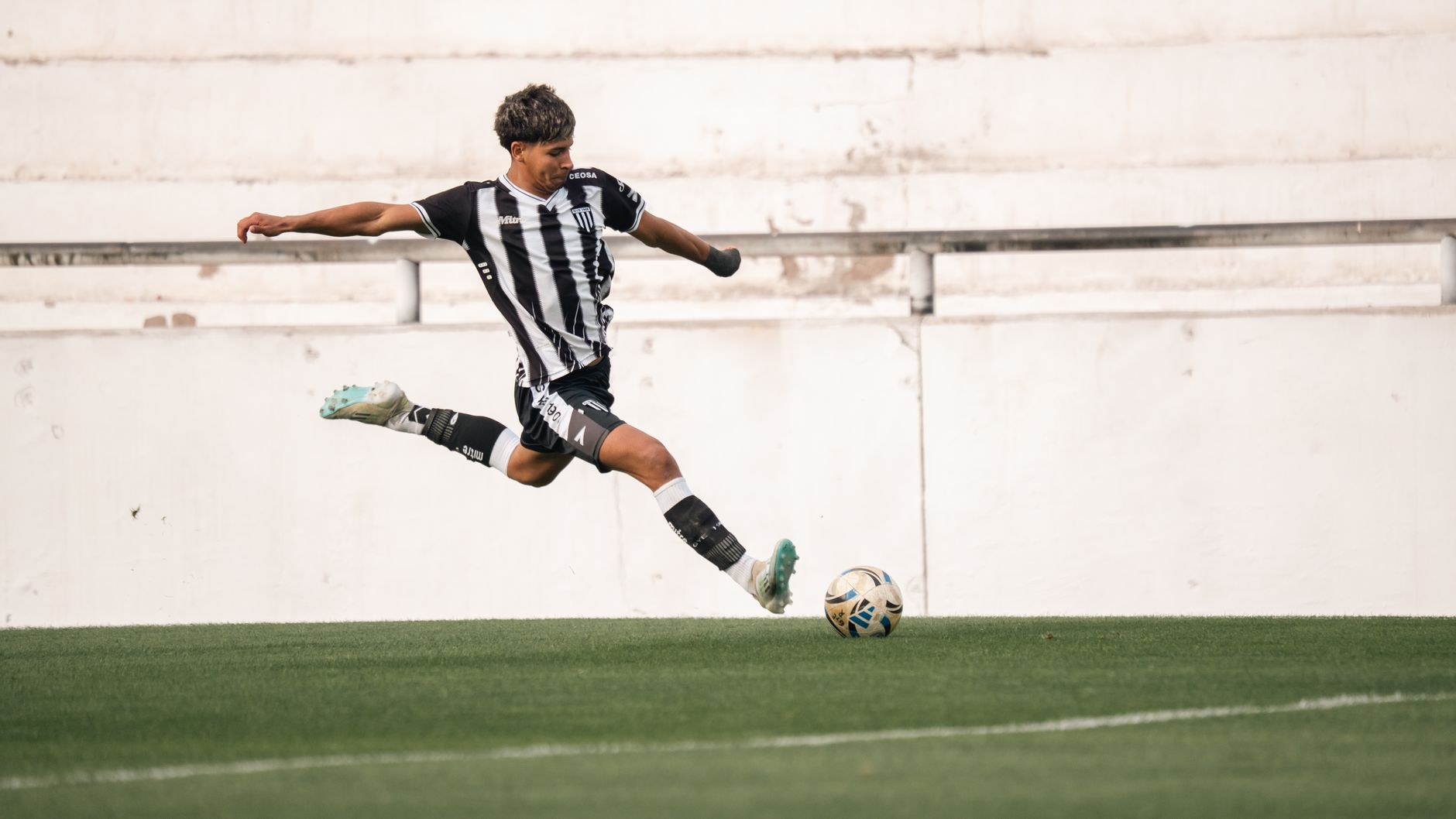
Photo by Mateo Franciosi on Pexels
Hydration should be individualized because sweat rates differ dramatically between a goalkeeper in cool Manchester weather and a winger playing in Los Angeles heat. Weigh yourself before and after a hard session; every kilogram lost approximates one litre of fluid deficit, although clothing and urine changes complicate the estimate. Replacing roughly 125–150% of the measured fluid loss over the following hours is a reasonable starting point, with sodium included after heavy sweating. Do not force litres of water immediately before kick-off, because a sloshing stomach is not a tactical advantage.
This is also where match analysis becomes useful. Goal Moments examines FIFA World Cup 2026 team tactics and player statistics, and you can apply the same logic to your own match: count failed recovery runs, sprint drop-offs, late defensive transitions, and technical errors after minute 70. Those observations are more valuable than announcing that you “felt unfit,” which is wonderfully dramatic and almost completely unhelpful.
Review the performance details and connect them to your next training block.
Common pitfalls to avoid
Most football fitness failures come from poor load management, not a lack of motivation. Players often stack a hard running session, a competitive five-a-side game, heavy leg training, and a weekend match into five days, then wonder why the hamstring feels like a lawsuit waiting to happen. Training stress includes minutes played, sprint exposure, gym volume, travel, sleep loss, work, and emotional stress; the body does not care whether fatigue came from a pitch or a late shift.
Avoid these frequent errors:
- Jogging only: Builds general endurance but neglects acceleration, deceleration, and repeated sprint ability.
- Maximum effort every day: Prevents adaptation and increases technical breakdown.
- Ignoring deceleration: Braking can create substantial knee and groin stress, so practise controlled stops.
- Skipping strength work: Leaves tendons and muscles less prepared for collisions and changes of direction.
- Changing everything at once: New boots, new surface, new drills, and new volume are a spectacular recipe for soreness.
- Treating pain as weakness: Persistent pain, swelling, instability, or sharp discomfort requires assessment.
- Copying professional workloads: A player at Manchester City has medical staff, recovery support, and carefully monitored scheduling; you probably have a foam roller and a bus timetable.

Photo by Franco Monsalvo on Pexels
Track a simple daily workload score by multiplying session duration in minutes by perceived exertion from 1–10. A 60-minute session rated 7 equals 420 arbitrary units; a 90-minute easy session rated 3 equals 270. This is not laboratory data, but it exposes sudden spikes. If your weekly total rises from 1,200 to 2,000 units, reduce the next week or remove nonessential intensity; ambition is useful, whereas pretending tissue adapts by administrative order is not.
One contrarian point deserves attention: more conditioning is not always the answer to late-match decline. If your sprint times collapse because of poor positioning, unnecessary pressing, or slow scanning, tactical efficiency may save more energy than another interval session. Study players such as Kevin De Bruyne, Jude Bellingham, and Luka Modrić for movement timing, body orientation, and decision-making, not because imitation is magic but because efficient actions reduce wasted running. Combine football tactical analysis for pressing and transitions with physical tracking to identify whether the problem is fitness, positioning, or both.
The 30-day check-in
A 30-day review should compare objective performance, subjective recovery, and football outcomes rather than relying on body weight or one impressive training day. Repeat the six-minute run, 20-metre sprint, repeated-sprint test, and one position-specific drill under similar conditions. Also record training completion, match minutes, sleep duration, soreness, and technical errors after minute 70. The goal is not to collect numbers like a nervous accountant; it is to determine which quality actually improved.
Use this four-week audit:
- Week one: Establish baseline tests and begin moderate volume.
- Week two: Add one or two sprint repetitions or five minutes of aerobic work.
- Week three: Maintain volume and increase quality, not every variable.
- Week four: Reduce workload by 20–30% for several days, then retest.
- After testing: Keep the two improvements that transfer to matches and revise the rest.
A meaningful result might be a 0.10-second improvement over 20 metres, a 5–8% increase in six-minute distance, or fewer visible recovery failures late in games. Wearables such as Garmin Forerunner devices, Apple Watch, and Catapult Vector can support tracking, but none can measure courage, tactical discipline, or whether you spent the second half hiding behind an opponent. Use technology as evidence, not as a substitute for watching the match.
football recovery, sleep, and nutrition guide is especially useful after the retest because adaptation depends on recovery. Aim for consistent sleep, regular protein-rich meals, sufficient carbohydrates around hard sessions, and at least one genuinely easy day weekly. If performance worsens for two consecutive weeks, resting heart rate stays elevated, motivation collapses, or pain persists, reduce workload and seek medical or sports-physiology advice.
The practical conclusion is straightforward: combine aerobic work, acceleration, strength, football drills, and recovery in a progression you can repeat. Goal Moments can keep you close to FIFA World Cup 2026 tactics, player statistics, and match developments, while your own training log shows whether those lessons improve your performance. Start with three structured sessions, test after 30 days, and adjust from evidence rather than ego.
Ready to turn these football fitness training tips into a consistent plan?
Frequently Asked Questions
Q: What are football fitness training tips?
A: Football fitness training tips are practical methods for improving endurance, speed, strength, agility, recovery, and match-specific movement. The strongest programme combines easy aerobic work, intervals, acceleration training, resistance exercises, small-sided games, and mobility. Train three to five times weekly, keep one full recovery day, and increase workload gradually rather than making every session maximal.
Q: How do you start a football fitness training plan?
A: Start by testing a six-minute run, 20-metre sprint, and repeated-sprint ability before scheduling three weekly sessions. Use one aerobic session, one interval or sprint session, and one football-based session for the first two weeks. Record effort from 1–10, session duration, soreness, and sleep so you can identify fatigue before it becomes an injury.
Q: What is the difference between football fitness and running fitness?
A: Football fitness includes repeated accelerations, decelerations, changes of direction, contact strength, technical skill, and recovery, while running fitness usually emphasizes continuous pace over a predictable distance. A strong runner may still struggle with 10-metre bursts and rapid braking. Small-sided games and shuttle intervals therefore transfer better to football than steady jogging alone.
Q: How often should footballers train fitness?
A: Most amateur footballers should complete three or four structured fitness sessions weekly, depending on matches, age, training history, and recovery. Place hard lower-body strength and sprint sessions at least 48 hours apart when possible. During a match week, reduce volume 24–48 hours before competition rather than attempting to gain fitness through last-minute exhaustion.
Q: What should you do if football fitness training causes pain?
A: Stop or modify the exercise if pain is sharp, changes your running pattern, causes swelling, or remains during ordinary walking. Mild muscular soreness can be managed with lower intensity and recovery, but persistent hamstring, knee, groin, or ankle pain requires assessment by a qualified clinician. Do not use painkillers to conceal symptoms and continue sprinting; that shortcut has ended badly for generations of players.
Q: Is strength training necessary for football fitness?
A: Strength training is necessary for well-rounded football fitness because it supports acceleration, deceleration, tackles, jumping, and injury resilience. Perform two weekly sessions using split squats, Romanian deadlifts, calf raises, hamstring exercises, trunk work, pushing, and pulling. Beginners should use controlled sets of 6–12 repetitions and stop with approximately two repetitions in reserve.
Q: How long does it take to improve football fitness?
A: Noticeable football fitness improvements commonly appear within four to eight weeks when training is consistent and recovery is adequate. Aerobic markers may improve within 14–30 days, while sprint speed and strength usually require longer progression. Retest every 30 days under similar conditions and judge success by match performance, sprint consistency, recovery, and technical quality rather than one isolated result.